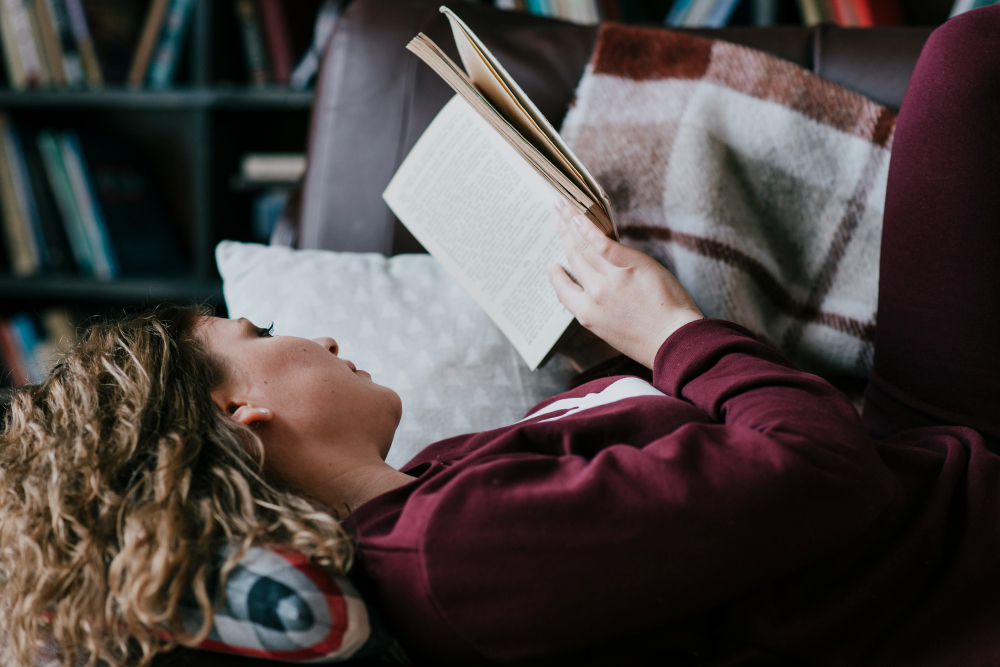

Last autumn, I found myself doing something I'd never done before: I read the same novel three times in a row. Not because it was short or because I'd missed something crucial, but because I simply wasn't ready to leave its world.
The book was Marilynne Robinson's Gilead, and somewhere between pages 150 and 200, I realised I'd been reading the same paragraph over and over—not from confusion, but from delight. Each sentence seemed to contain multitudes, and rushing through felt almost disrespectful to the craft on display.
That experience sparked a fundamental shift in how I approach reading. I've since become a devoted practitioner of what's often called "slow reading"—though I prefer to think of it as simply reading with attention.
What Slow Reading Isn't
Before we go further, let's clear up some misconceptions. Slow reading isn't about forcing yourself to read at a snail's pace, nor is it about feeling guilty for the books you haven't finished. It's not a competition (ironic, given how competitive reading culture has become), and it certainly doesn't mean abandoning books you're not enjoying.
Rather, slow reading is about presence. It's about giving a book the attention it deserves rather than racing through to tick it off a list. It's about quality of engagement over quantity of pages.
The Problem with Reading Goals
Don't misunderstand me—there's nothing inherently wrong with setting reading goals. For many people, challenging themselves to read more is a worthy aspiration. The trouble begins when the goal becomes the point, when we start choosing books based on length rather than interest, or when we feel a twinge of anxiety about "falling behind" on our reading challenge.
I spent years caught in this trap. I'd race through books, mentally calculating how many I'd need to finish that month to stay on track. The joy of reading had been replaced by something that felt uncomfortably like work. Sound familiar?
Finding Your Reading Rhythm
The first step toward slower reading is simple: stop counting. Remove the reading tracker apps, forget about your annual goal, and pick up a book simply because it calls to you. Revolutionary, I know.
Next, consider your environment. Slow reading asks for fewer distractions, so put your phone in another room. Make a cup of tea. Find your favourite chair. Create the conditions for deep attention.
Then, read. But when you come to a passage that particularly moves you, stop. Read it again. Think about why those words, in that order, affected you. Jot down a note if you're so inclined. Let the language settle before moving on.
Practical Techniques
If you're looking for concrete strategies, here are a few that have worked for me:
Read aloud. Even if just in your head, hearing the rhythm of the prose changes your relationship to it. This is especially rewarding with poetry or particularly lyrical fiction.
Take notes by hand. There's something about the physical act of writing that deepens comprehension and memory. I keep a reading journal where I copy out favourite passages and jot down thoughts.
Discuss what you're reading. Whether with a book club, a friend, or even in a journal entry to yourself, articulating your responses to a book helps you process and remember it.
Re-read. We don't hesitate to listen to a favourite album multiple times or rewatch a beloved film. Why should books be different? Some books only reveal themselves on second or third reading.
The Rewards of Attention
What happens when we slow down? In my experience, everything changes. Characters become more vivid because we've spent real time with them. Themes emerge that we might have missed in our haste. We notice the craft—the careful word choices, the structural decisions, the rhythm of sentences.
Perhaps most importantly, we remember what we read. How many books have you raced through only to find, months later, that you can barely recall the plot? Slow reading creates lasting impressions.
A Different Kind of Progress
I'll be honest: I read fewer books now than I did in my speed-reading days. Last year, I managed perhaps thirty, compared to the fifty or sixty I used to devour. But here's the thing—I can tell you about every single one of them. I can quote passages, debate themes, recommend them with genuine enthusiasm.
That, to me, is progress worth measuring.
So the next time you feel the pressure to read faster, to finish more, to keep up with some imaginary standard, I invite you to try something different. Pick up a book that genuinely interests you. Find a comfortable spot. And read—slowly, attentively, joyfully—as if you have all the time in the world.
Because for those hours with a good book, you do.
Sophie Turner
Sophie is the Community Manager at Pbso Booking Blotter, where she writes about reading life, curates our newsletter, and runs our virtual book clubs. When not recommending cosy mysteries, she can be found haunting second-hand bookshops across South London.